

Complete Healthcare

8420 Medical Plaza Dr Suite 400

Complete Wellness

8420 Medical Plaza Dr Suite 300

At-Home Headache Relief Checklist | Quick Guide

Quick answer

For a mild, typical headache, a practical at-home checklist includes hydrating, taking a break from screens, checking your posture, dimming harsh lighting, and giving yourself a few minutes in a quieter environment. These steps help many everyday tension-type headaches, but frequent, severe, or unusual headaches need a proper evaluation rather than repeated reliance on self-care alone.

Step 1: check your hydration

Dehydration is an underrated headache trigger. Before reaching for anything else, drink a full glass of water and notice whether symptoms ease over the next 20–30 minutes.

Step 2: step away from screens

Extended screen time contributes to eye strain and neck tension, both of which are linked to headaches.

  • Take a break of at least 10–15 minutes, looking at something farther away.
  • Dim harsh overhead lighting or screen brightness if light sensitivity is part of the headache.
  • Consider whether your screen height is forcing your neck into a strained position.

Step 3: check your posture and neck tension

  • Notice whether your shoulders are tense or raised toward your ears.
  • Gently stretch your neck side to side if it feels tight, stopping if it triggers sharp pain.
  • Adjust your seating so your head isn’t tilted forward for long periods.

Step 4: try a brief reset in a quieter environment

A few minutes in a dim, quiet space can help calm an escalating headache, especially if light or noise sensitivity is present.

A simple headache relief checklist

Step Quick action
Hydration Drink a full glass of water
Screen break Step away for 10–15 minutes
Posture check Relax shoulders, adjust neck position
Environment Dim lights, reduce noise if sensitive
Track it Note time, possible trigger, and what helped

When self-care isn’t cutting it

If these steps don’t help within an hour or two, or if headaches are becoming more frequent, it’s worth tracking your pattern and discussing it with a professional rather than repeating the same self-care cycle indefinitely.

When to seek prompt medical care

Seek immediate medical attention for a sudden, severe headache unlike any you’ve had before, a headache with fever and neck stiffness, one following a head injury, or a headache accompanied by confusion, vision changes, weakness, or slurred speech.

Building prevention into your routine, not just relief

While this checklist focuses on relief once a headache has started, many of the same factors — hydration, screen habits, posture, and stress — are also relevant for reducing how often headaches occur in the first place. If you notice you’re using this checklist frequently, it may be worth shifting some attention to prevention: consistently better hydration throughout the day rather than only when a headache starts, or a standing reminder to check your posture rather than only noticing it once discomfort has already built up. Prevention-focused habits take longer to show results but can reduce how often you need the relief checklist at all.

Adjusting the checklist to your own triggers

Over time, you may notice that certain steps in this checklist consistently help more than others for your specific headaches. It’s reasonable to personalize the order or emphasis based on what you’ve learned about your own patterns, rather than following every step in the same sequence every time.

Frequently asked questions

How long should I try self-care before it’s a concern?
If a headache doesn’t improve within a couple of hours of trying these steps, or keeps recurring several times a week, it’s reasonable to seek a professional evaluation.

Does caffeine help or hurt headaches?
It varies by individual — some people find moderate caffeine helps, while caffeine withdrawal is itself a headache trigger for others. Consistency in your caffeine habits may matter more than amount.

Can neck tension really cause a headache like this?
Yes, for many people neck tension and posture are meaningful contributors to tension-type headaches, which is why posture and screen breaks are often included in self-care checklists.

If simple self-care isn’t resolving your headaches, Complete Healthcare in Charlotte NC can evaluate whether neck tension or posture may be playing a role.


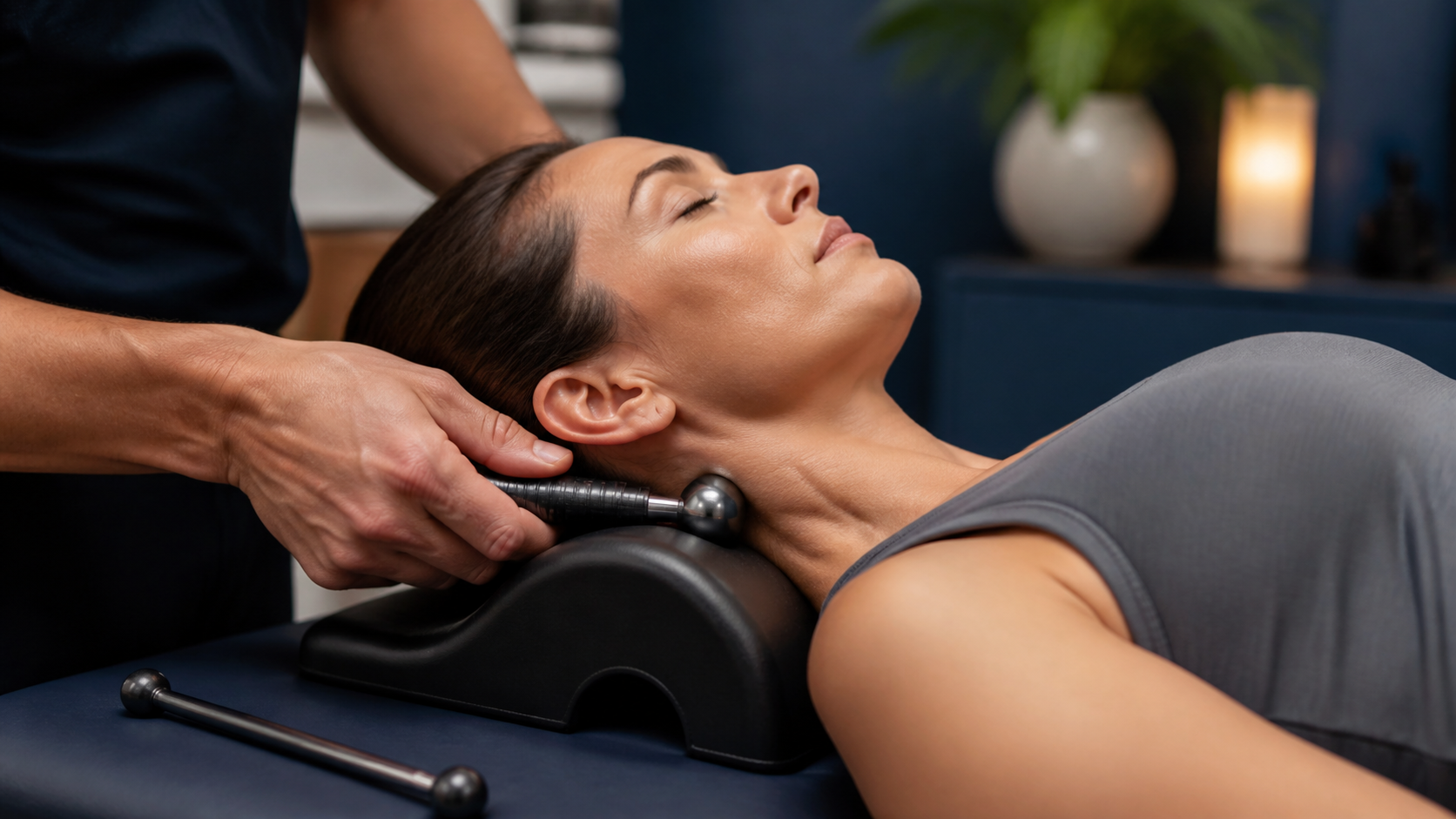
patient discussing neck pain with chiropractor in exam room after auto accident, calm clinical setting

Small Sustainable Steps to Improve Your Health

Quick answer

Sustainable health improvement usually comes from small, specific, realistic changes rather than an all-or-nothing overhaul — think adding one consistent habit at a time, tracking progress simply, and adjusting goals as life changes. This approach tends to stick better than dramatic short-term efforts that are hard to maintain once motivation fades.

Why big overhauls often don’t last

It’s common to start the year (or any fresh start) with an ambitious plan — a completely new diet, an intense workout schedule, and multiple lifestyle changes all at once. These plans often work for a few weeks before becoming unsustainable, simply because too much changed at once relative to your actual daily routine and energy.

Start with one specific, realistic habit

Rather than trying to change everything, pick one habit that’s specific enough to know whether you did it or not.

  • Vague: "I’ll be more active." Specific: "I’ll walk for 15 minutes after lunch on workdays."
  • Vague: "I’ll eat healthier." Specific: "I’ll add a vegetable to dinner five nights a week."
  • Vague: "I’ll sleep better." Specific: "I’ll stop screens 30 minutes before my target bedtime."

Build habits in a logical sequence

  1. Pick one habit and give it a few weeks before adding another.
  2. Track it simply — a checkmark on a calendar is often enough; you don’t need an elaborate system.
  3. Notice what derails it (a busy week, travel, low motivation) and adjust the plan rather than abandoning it entirely.
  4. Add the next habit once the first feels close to automatic.

A simple habit-stacking table

Current habit New habit to stack onto it
Morning coffee A few minutes of stretching while it brews
Lunch break A short walk afterward
Evening screen time A short wind-down routine before bed
Weekly grocery trip Planning one extra vegetable-based meal

Reassess goals as life changes

Health goals that made sense six months ago may not fit your current schedule, energy, or priorities. Periodically checking in — monthly is reasonable for most people — and adjusting rather than rigidly sticking to an outdated plan supports long-term consistency.

Don’t wait for a "perfect" starting point

There’s rarely a perfectly convenient time to start a new habit. Starting with something small and realistic now tends to work better than waiting for an ideal week that may never come.

When to seek prompt medical care

General habit-building isn’t a substitute for medical care. If you’re dealing with symptoms — pain, unusual fatigue, or anything concerning — that a habit change alone isn’t addressing, or if something feels seriously wrong, seek a professional evaluation rather than relying on lifestyle changes alone.

Handling setbacks without abandoning the plan

Almost everyone hits a stretch where a new habit slips — a busy week, travel, illness, or simply low motivation. What separates lasting change from a habit that fades entirely is usually how you respond to that gap. Treating a missed week as a reason to restart smaller and more specifically, rather than as evidence the whole plan failed, tends to lead to more durable progress. It also helps to notice what specifically caused the gap, since that information can shape a more realistic version of the habit going forward, rather than trying the exact same approach again and expecting a different result.

Frequently asked questions

How many habits should I try to change at once?
Starting with just one or two at a time tends to work better than trying to overhaul everything simultaneously.

What if I miss a few days of a new habit?
That’s normal. Restarting without much self-criticism tends to work better than treating a missed day as a total failure of the plan.

How long does it typically take for a new habit to feel automatic?
This varies by person and habit, but consistent practice over several weeks is a reasonable general expectation rather than a fixed universal number.

If you’d like guidance on building sustainable movement or posture habits into your routine, Complete Healthcare in Charlotte NC can offer a starting evaluation and practical suggestions.

The Sitting Epidemic: Why It Matters for Your Body

Quick answer

Many adults sit for the majority of their waking hours between commuting, working, and relaxing, and this prolonged sitting is linked to stiffness, postural strain, and broader health concerns over time. The fix isn’t necessarily standing all day instead — it’s breaking up long sitting stretches with regular movement throughout the day.

How much sitting actually adds up

Consider a typical day: a commute, a desk job, meals, and evening screen time can easily total 9–11 hours of sitting without anyone consciously planning for that much stillness. The cumulative effect matters more than any single sitting session.

What prolonged sitting affects

  • Posture: extended sitting, especially with poor ergonomics, encourages rounded shoulders and a forward head position.
  • Hip and hamstring tightness: hips stay in a flexed position for hours, which can shorten the muscles around them over time.
  • Circulation and general activity level: long uninterrupted sitting reduces overall daily movement, which matters for broader health beyond just musculoskeletal comfort.
  • Low back strain: sitting posture, especially slouched, increases load on the lower spine compared to standing or walking.

Why standing desks alone aren’t a complete fix

Simply switching to standing all day isn’t necessarily better — prolonged standing without movement has its own strain patterns. The real goal is alternating positions and building in regular movement, not replacing one static posture with another.

Practical ways to break up sitting time

  1. Set a movement reminder every 30–60 minutes, even if it’s just standing up for a minute.
  2. Take walking meetings or calls when possible.
  3. Use a sit-stand desk if available, alternating rather than staying in one position all day.
  4. Park farther away or take stairs to naturally build in more movement during the day.
  5. Stand during short tasks like phone calls or reading emails.

A simple daily movement framework

Time block Movement goal
Morning A short walk or stretching before starting work
Midday Standing or walking break during lunch
Afternoon Movement reminder every 30–60 minutes
Evening Avoid replacing desk sitting with equally long screen-time sitting

When to seek prompt medical care

Sitting-related stiffness is common and usually not an emergency, but seek medical evaluation for new leg swelling, calf pain or warmth (which can signal a blood clot), or persistent numbness that doesn’t resolve with movement, since these need prompt medical attention rather than general movement advice.

Making movement breaks stick as a habit

Knowing that movement breaks help is different from actually taking them consistently, especially during a busy workday. Tying a movement break to an existing habit — standing up every time you finish a phone call, or stretching during the time it takes coffee to brew — tends to work better than relying on willpower alone or a generic reminder that’s easy to dismiss. Some people also find it easier to stick with movement breaks when they’re framed as supporting focus and energy for the next task, rather than solely as a health obligation.

Recognizing your own sitting patterns

Many people underestimate how much they actually sit until they track it for a day or two. A quick informal count — noting rough sitting time during commuting, work, meals, and evening relaxation — often reveals totals higher than expected, which can be a useful, non-judgmental starting point for deciding where to build in more movement.

Frequently asked questions

Is a standing desk enough to counteract a sedentary lifestyle?
Not entirely on its own — regular movement throughout the day matters more than simply swapping sitting for standing. Alternating positions is generally more effective than either extreme.

How often should I take movement breaks during a workday?
Roughly every 30–60 minutes is a reasonable target for most desk workers, even if it’s just a minute or two of standing and stretching.

Can prolonged sitting cause permanent problems?
Consistent, prolonged sitting is associated with stiffness and postural strain over time, but building in regular movement can meaningfully offset much of this impact for most people.

If prolonged sitting at work is contributing to ongoing stiffness or discomfort, Complete Healthcare in Charlotte NC can evaluate your posture and offer practical, workday-friendly suggestions.

Complete Healthcare 8420 Medical Plaza Dr Suite 400 Charlotte, NC 28262 (704) 510-1510
Complete Wellness 8420 Medical Plaza Dr Suite 300 Charlotte, NC 28262 (704) 510-1577